A lot of agencies are in the same spot right now. The SEO team is chasing rankings, the content team is publishing on schedule, the paid team is optimizing spend, and the outreach team is sending emails and LinkedIn messages that rarely connect back to what marketing is already learning. Everyone is busy. Few can show a clean line from visibility to conversations to revenue.
That disconnect gets more expensive when buyers don't just click links anymore. They scan AI Overviews, ask ChatGPT for vendor comparisons, use LinkedIn to validate expertise, and only then decide who deserves a meeting. A brand can be active across channels and still stay invisible at the exact moment intent shows up.
An integrated marketing and outreach program fixes that. It treats discoverability, messaging, distribution, and relationship building as one system instead of separate departments. That matters more now because visibility is no longer just about being ranked. It's also about being cited, mentioned, and trusted across search and AI answer engines.
Rethinking Your Growth Engine for 2026
A common failure pattern looks like this. Marketing publishes a strong guide, earns some traffic, and calls it a win. Outreach builds a separate list, writes fresh messaging from scratch, and starts prospecting cold. Sales asks for better leads. Leadership asks why content isn't creating pipeline.
The problem usually isn't effort. It's fragmentation.
When teams split marketing and outreach into separate workflows, they lose compounding returns. Content doesn't inform outreach. Outreach objections don't shape content. Search data stays in SEO dashboards instead of feeding account targeting. By the time someone notices the gap, the brand has already missed valuable discovery moments.
What changed in brand discovery
Digital has become the center of brand visibility. The digital marketing industry now represents over 70% of total global ad spend, and global ad spend reached $1.1 trillion in 2024, with organic search still driving 53% of trackable site traffic across industries according to Windsor.ai's marketing statistics roundup. But the more important shift is behavioral. Buyers still search, yet many now consume answers before they ever click through.
That changes the standard growth model. A page can rank well and still lose attention if an AI-generated answer summarizes the topic without naming the brand. Outreach can land in the inbox at the wrong time if the prospect has already formed a shortlist from AI or social discovery.
How integrated programs behave differently
Integrated programs start with one question. Where does the buyer form trust first?
Sometimes it's a search result. Sometimes it's a LinkedIn post. Sometimes it's an AI answer that cites a competitor and not you. The smart move is to build one operating system around all of those surfaces.
A practical stack usually looks like this:
- Shared intent themes that guide SEO, content, outreach, and sales messaging.
- Reusable proof assets like guides, landing pages, comparison pages, and expert commentary.
- Feedback loops where outreach replies, sales calls, and search patterns shape the next content sprint.
- Unified reporting so clients can see how visibility connects to conversations, not just impressions.
If your current process still treats these as separate motions, it's worth reviewing how modern digital marketing technologies fit together. Tool sprawl often hides the strategy gap.
Practical rule: If your outreach team can't point to the exact content asset that supports each campaign, the system isn't integrated yet.
Understanding Marketing vs Outreach
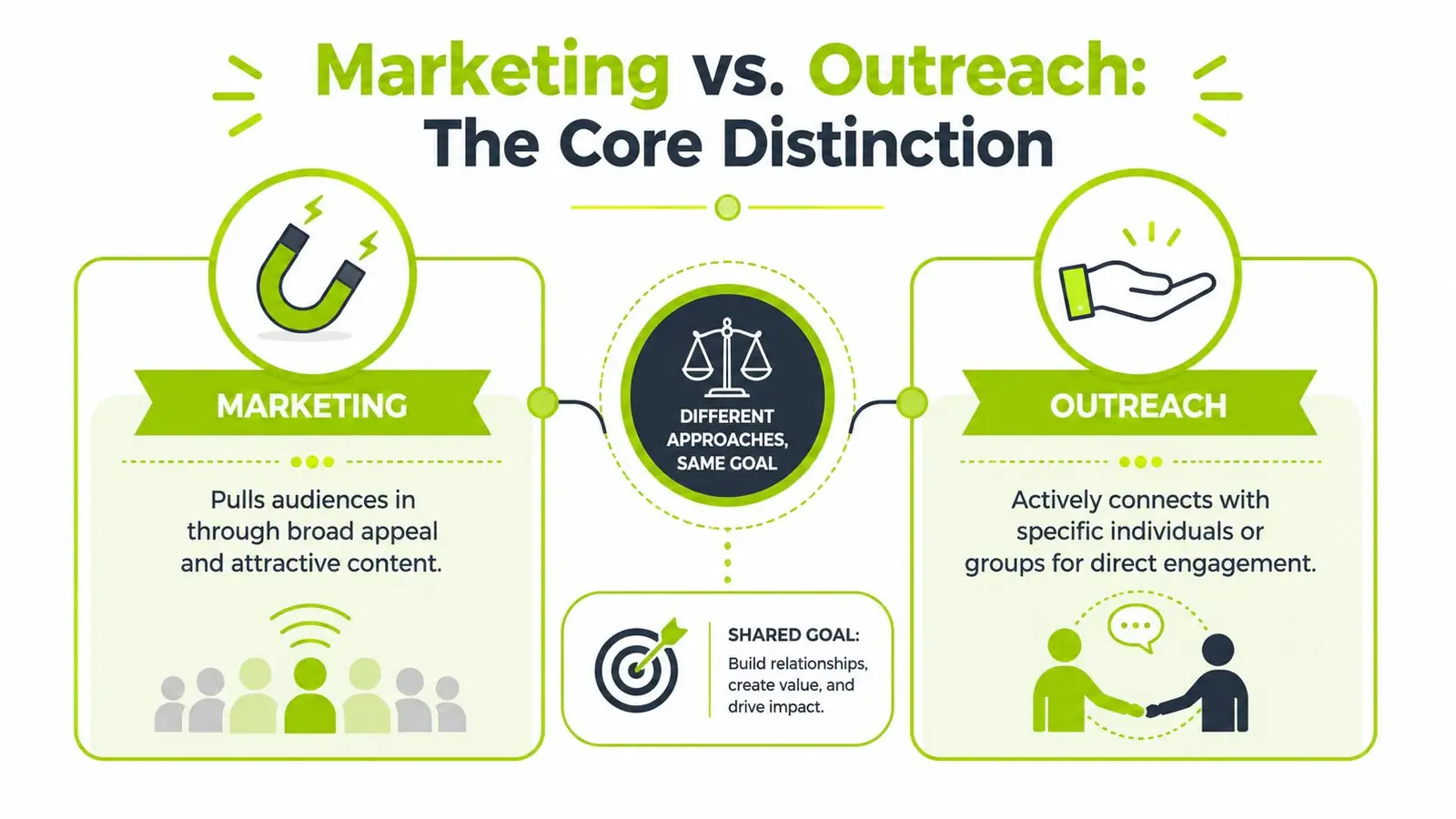
Marketing and outreach serve the same commercial goal, but they do different jobs. Confusing them leads to bad budgets, bad KPIs, and weak execution.
Marketing is the magnet. It attracts attention at scale through content, search visibility, social presence, brand positioning, and paid distribution. Outreach is the handshake. It creates direct contact with a specific person, account, partner, or community.
What marketing is built to do
Marketing creates familiarity before a buyer raises a hand. It gives people something useful to discover, remember, and compare. In practice, that includes:
- Search visibility through SEO pages, editorial content, and technical hygiene.
- Audience education through blogs, webinars, comparison pages, newsletters, and social content.
- Brand shaping so the market understands what the company does and why it matters.
- Demand capture when active buyers search for solutions or category terms.
This broad reach matters because digital channels now dominate attention. As noted earlier, digital now represents more than two-thirds of global ad spend, and AI Overviews are changing how brands surface beyond traditional links. That means marketing has to do more than attract clicks. It has to build clarity that machines can interpret and humans can trust.
What outreach is built to do
Outreach is narrower and more deliberate. You already know who you want to reach. The task is to open a conversation with relevance.
That may mean a founder sending a partner proposal on LinkedIn, a demand gen team running account-based email sequences, or a community manager working with local connectors in underserved markets. The point is not broad discovery. The point is movement.
Outreach works best when it uses assets that marketing has already validated. A cold message built around a weak claim usually fails. A direct message that points to a useful guide, a clear point of view, or a timely industry insight tends to land better.
Marketing earns attention in public. Outreach earns permission in private.
Where teams misuse each one
Most mistakes come from using one discipline to solve the other's problem.
A few examples:
- Using marketing to force immediate conversion. Teams publish bottom-funnel pages but ignore trust-building content. The site becomes transactional without becoming persuasive.
- Using outreach without market proof. Reps ask for meetings before the brand has any visible authority, references, or useful content.
- Measuring both with the same KPI. Traffic doesn't tell you if outreach is working. Reply rates don't tell you if search visibility is improving.
The cleanest way to think about it is simple. Marketing creates conditions for interest. Outreach turns relevant interest into conversations.
A Unified Framework for Modern Campaigns
The best integrated programs are easy to explain internally. If your strategy needs a long workshop just to get buy-in, teams won't use it consistently. A simple operating model works better.
I use three pillars: Brand Gravity, Content Velocity, and Relationship Equity.
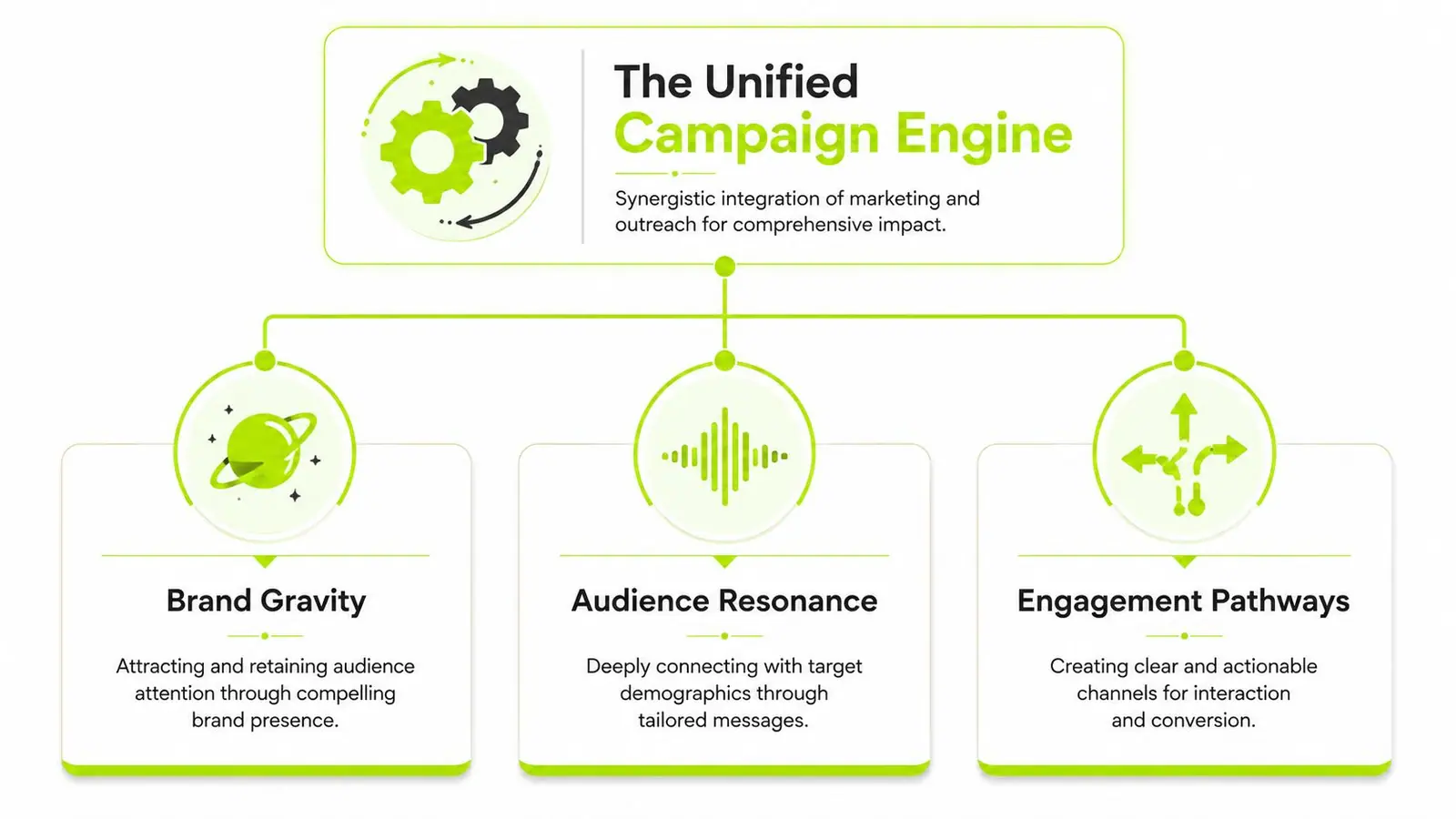
Brand Gravity
Brand Gravity is your ability to show up with enough clarity and authority that buyers recognize you as a credible option. This comes from positioning, technical SEO, topic coverage, proof assets, and consistent market signals.
Without Brand Gravity, outreach feels like an interruption. The recipient searches your name, finds little depth, and moves on.
This is also why multi-channel execution matters. Campaigns using three or more channels achieve 287% higher purchase rates than single-channel strategies, according to Landbase's multi-channel outreach statistics. Buyers don't experience your brand one channel at a time. They assemble trust from multiple surfaces.
Content Velocity
Content Velocity doesn't mean publishing blindly. It means producing and distributing useful assets fast enough to match live demand.
That includes:
- Intent content such as solution pages, comparisons, FAQs, and use-case pages.
- Proof content like case-led explainers, expert commentary, and buyer-question pages.
- Distribution assets that outreach can use, including one-pagers, short posts, snippets, and partner-ready resources.
A healthy content system gives outreach fresh ammunition. It also gives SEO and AI search more material to index, summarize, and cite. If your team produces one polished flagship asset per quarter but nothing operational in between, velocity is too low.
For teams trying to connect channel data with execution, this kind of search marketing intelligence becomes much more useful than standalone rank tracking.
Relationship Equity
Relationship Equity is what your brand has built with people who can expand reach, validate expertise, and create opportunities. Prospects matter, but so do partners, creators, customers, analysts, event hosts, and niche communities.
Outreach ceases to be a volume game and instead becomes a compounding asset. A relationship can create introductions, co-marketing, third-party mentions, podcast spots, and future citations that improve discoverability long after the original campaign.
How the three pillars work together
This only works if each pillar feeds the others.
- Marketing builds authority that makes outreach more believable.
- Outreach surfaces objections and buyer language that improve content.
- Content creates reusable proof that helps both search and sales.
- Relationships generate mentions and context that strengthen visibility across channels.
Working heuristic: If one campaign can't improve search presence, support outreach, and produce reusable sales proof, it's probably too narrow.
Choosing Your Channels and Tactical Plays
Most channel planning fails because teams ask, “What channels should we use?” before they ask, “What job does each channel need to do?” Good channel selection is less about trends and more about fit.
SEO, email, LinkedIn, social content, partnerships, and influencer programs can all work. The mistake is expecting one channel to carry the whole program.
What each channel is good at
Here's a practical comparison for integrated marketing and outreach planning.
| Channel | Primary Goal | Time to Impact | Resource Intensity |
|---|---|---|---|
| SEO | Capture active demand and build durable discovery | Slower at first, then compounding | High |
| Content marketing | Educate buyers and create reusable proof assets | Medium | High |
| Build professional visibility and direct B2B engagement | Medium to fast | Medium | |
| Email outreach | Start direct conversations with specific accounts | Fast | Medium |
| Influencer partnerships | Borrow trust and reach from established voices | Medium | Medium to high |
| Partner co-marketing | Reach adjacent audiences with credibility | Medium | Medium |
| Community outreach | Build trust with specific groups and local connectors | Medium to slow | High |
Tactical plays that actually fit the channel
A strong plan pairs a marketing play with an outreach play.
-
SEO
- Marketing play: Build pages around high-intent buyer questions, comparisons, and solution categories.
- Outreach play: Use those pages in prospecting when the topic matches a known pain point.
-
Content marketing
- Marketing play: Publish a detailed guide, practical checklist, or expert answer page that solves a real problem.
- Outreach play: Invite a partner, customer, or subject expert to contribute. Then use co-distribution to widen reach.
-
LinkedIn
- Marketing play: Publish opinionated posts from internal experts so the market sees expertise before a sales touch.
- Outreach play: Follow relevant accounts, comment with substance, then send a direct message tied to the discussion.
-
Email
- Marketing play: Use newsletters and nurture sequences to reinforce category knowledge and trust.
- Outreach play: Send concise, account-specific emails anchored to a clear problem and one useful resource.
-
Influencer partnerships
- Marketing play: Co-create content with creators or niche experts who already have audience trust.
- Outreach play: Build long-term relationships rather than one-off asks. The best partnerships need mutual value.
A better way to choose your mix
Pick channels based on three filters:
-
Buyer behavior
If buyers validate vendors on LinkedIn and search, start there. If trust flows through associations, communities, or creators, build those in early. -
Proof availability
If the brand lacks strong proof, prioritize channels that let you create and distribute credibility before scaling outbound. -
Operational reality
Don't choose a channel your team can't maintain. A weak, inconsistent presence across many channels underperforms a tighter, well-run mix.
One more practical note. If you serve underserved communities, digital-only plans often miss the mark. Some audiences still rely heavily on non-digital channels, and inclusive programs work better when messaging is co-created with community connectors rather than imposed from the top.
Measuring What Matters in the AI Era
Traditional reporting still matters, but it's incomplete. Rankings, traffic, clicks, and form fills tell you part of the story. They don't tell you whether your brand appears when AI systems summarize the category, recommend vendors, or answer product questions.
That's why modern measurement needs new visibility metrics alongside standard SEO reporting.
A dashboard helps, but only if it reflects the new reality of discovery.
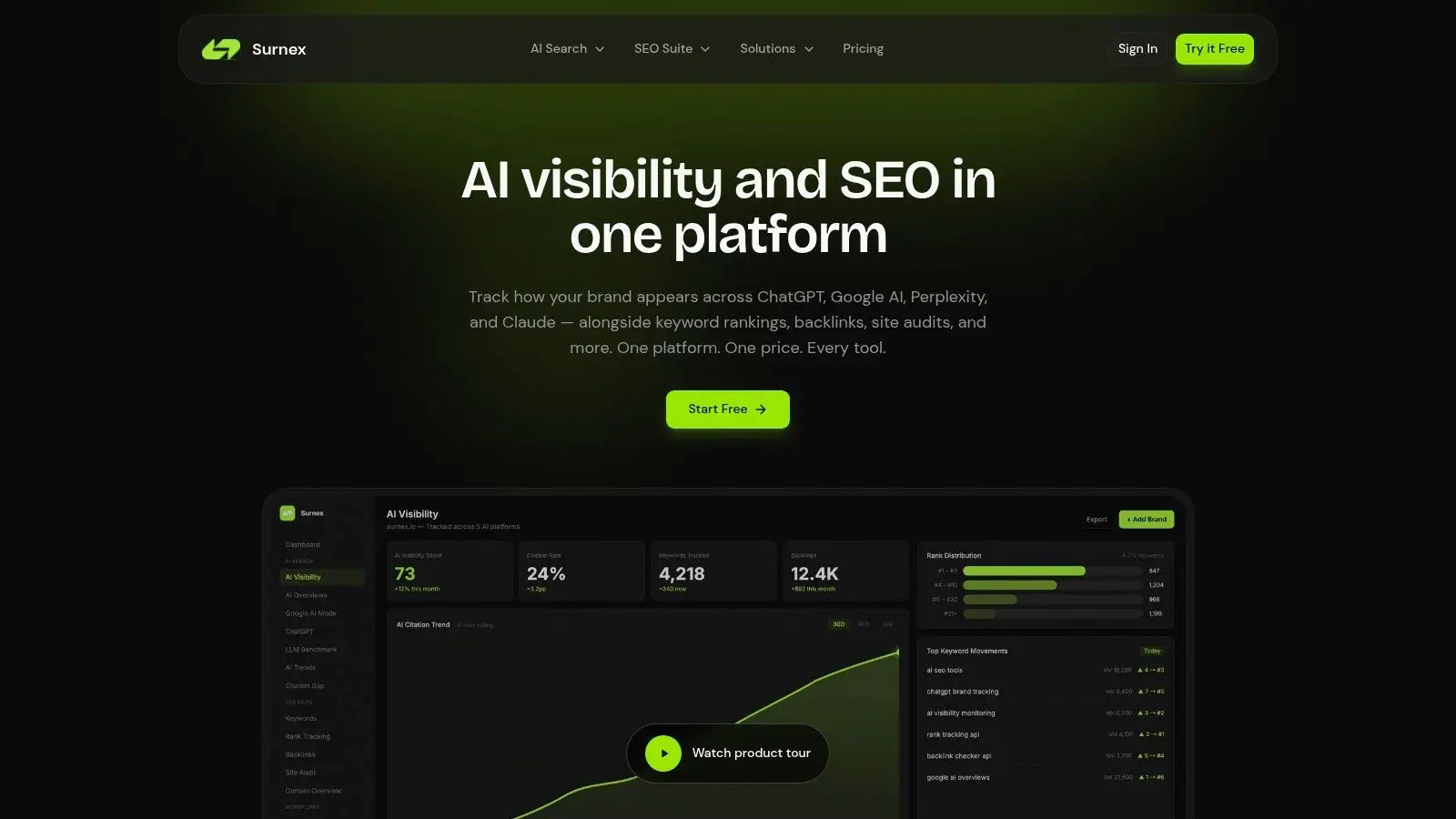
AI Citation Rate is the new front-door metric
The most useful starting point is AI Citation Rate. It measures the percentage of relevant, intent-driven queries where your brand or content is explicitly cited in an AI response. The formula is (Answers mentioning brand ÷ Total answers) × 100, as explained in Valasys's guide to measuring AI search visibility.
Zero-click discovery means pageviews alone are an incomplete metric. A buyer may ask ChatGPT, Perplexity, or Google AI Overviews for the best options in a category and never visit most of the sites considered. If your brand isn't cited, you're absent from the shortlist before the click even becomes possible.
Surface Coverage shows where you're present
Citation rate alone isn't enough. You also need Surface Coverage, which looks at brand presence across different AI modalities such as AI Overviews, answer engines, and chatbots.
That distinction matters because each surface behaves differently. One brand may appear often in answer engines but barely show up in AI Overviews. Another may have strong branded search demand yet weak chatbot visibility. If you report all of that as “AI performance,” the diagnosis is too vague to guide action.
A useful reporting cadence usually includes:
- Tracked query sets based on core commercial topics
- Brand mentions by platform so teams can spot where visibility is thin
- Competitor comparison views to identify recurring citation gaps
- Trend monitoring over time instead of one-off snapshots
For teams building client-facing reporting, a purpose-built SEO reporting dashboard is far more effective than stitching AI visibility into generic analytics exports.
Why entity clarity changes performance
AI systems don't reward ambiguity. Brands that improve entity clarity with structured data and direct-answer content see a measurable lift in AI Share of Voice because answer engines prioritize sources with high semantic trust, based on the same Valasys framework cited above.
In practical terms, that means your brand, products, people, services, and claims need to be easy to parse. The site has to make it obvious who you are, what you do, and which questions your content answers.
This short walkthrough gives a useful visual frame for how teams are thinking about the shift.
Don't report AI visibility as a novelty metric. Tie it to qualified traffic, meetings, and pipeline influence so clients understand why it matters.
Integrating SEO and AI Visibility
Measurement is only helpful if the team can influence it. That's where SEO and AI visibility have to work together instead of competing for attention.
Shift from link-building to GEO
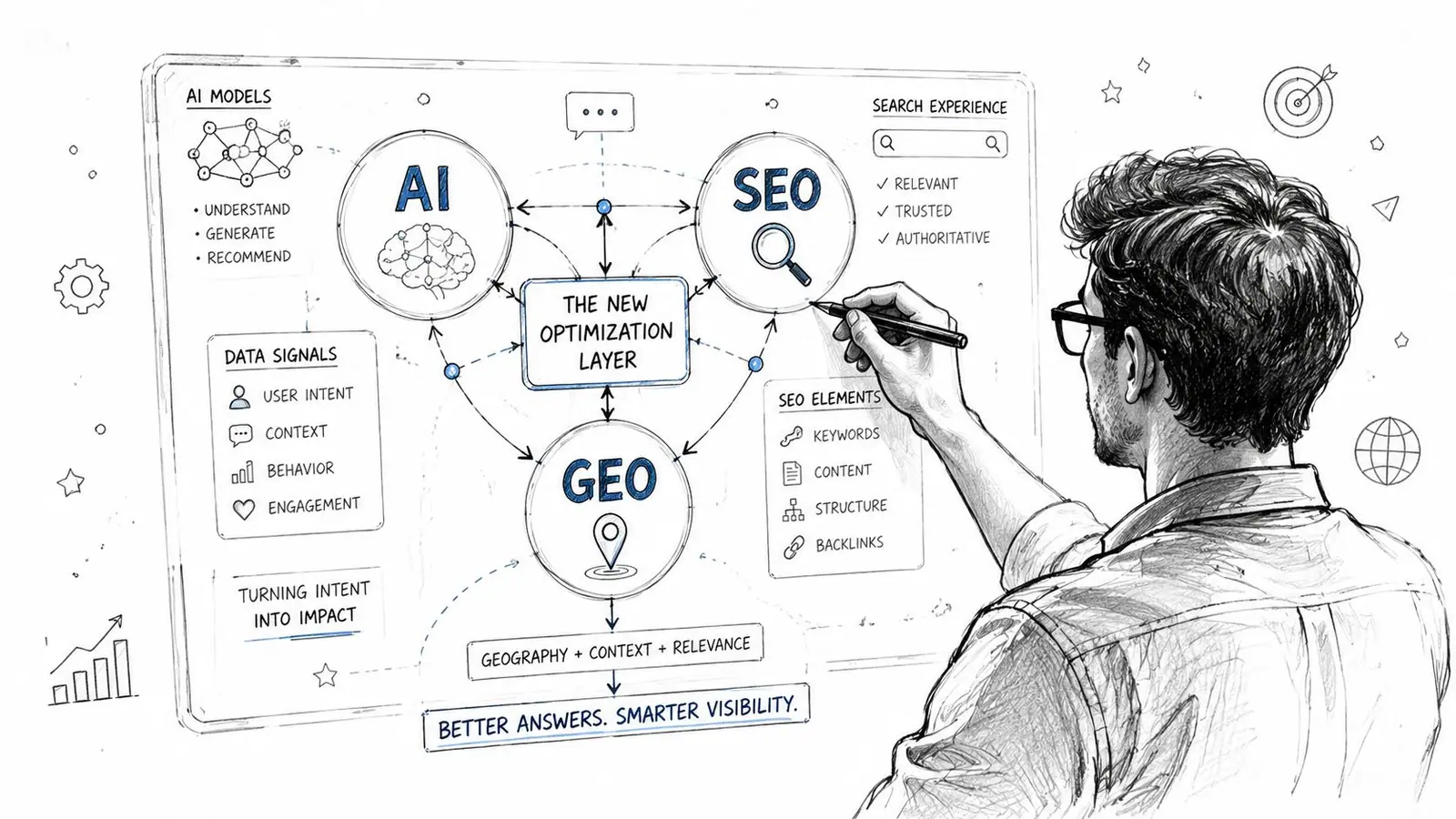
Modern outreach now requires Surface Coverage across AI Overviews, answer engines, and chatbots, and AI systems increasingly apply a trust filter that favors entities with positive sentiment in third-party mentions. That's why the work is shifting from generic link-building toward Generative Engine Optimization, or GEO, as outlined in The Rank Masters guide on AI visibility.
Link acquisition still has value, but by itself it's not enough. AI systems need cleaner signals. They respond better when the site defines entities clearly and the content explains topics in a direct, structured way.
The weekly operating routine
A workable GEO routine doesn't need to be complicated. It needs to be consistent.
-
Audit high-intent queries weekly
Review a focused set of commercially meaningful prompts. Look for where competitors are cited and your brand is absent. -
Refresh pages for direct answers
Tighten intros, add concise Q&A sections, clarify service definitions, and make buyer questions easier to extract. -
Improve entity clarity
Use Schema.org markup where relevant and keep brand, product, author, and service information consistent across the site. -
Strengthen third-party trust signals
Earn mentions through digital PR, partnerships, expert contributions, and credible community participation. -
Feed findings back into outreach
When a query exposes a citation gap, outreach can help close it by distributing the improved asset to partners, prospects, or publishers.
What usually doesn't work
A few habits consistently underperform:
- Publishing fluffy thought leadership that never answers buyer questions directly
- Creating duplicate AI content with no clear expertise or entity signal
- Treating all search surfaces the same instead of tracking where visibility breaks down
- Ignoring sentiment and third-party context while focusing only on on-site updates
Strong AI visibility usually comes from boring discipline. Clear entities, direct answers, trusted mentions, and regular audits beat clever hacks.
Your Agency-Ready Action Plan
Teams often don't need a reinvention. They need a cleaner operating cadence that connects existing work.
Start with an audit across marketing, outreach, and AI discovery. Pull your top commercial pages, best-performing content assets, active outreach sequences, LinkedIn activity, and current reporting. Then ask a blunt question. Does each part of the system support the others, or is each team running its own program?
What to do this week
Focus on a narrow slice first.
- Identify your core intent set by listing the buyer questions, category terms, and comparison phrases that matter most.
- Review existing assets and map which pages or resources support each topic.
- Check for messaging overlap between content, sales decks, outreach emails, and LinkedIn posts.
- Find dead ends where strong content has no distribution plan or active outreach has no useful asset behind it.
What to do this month
Once the gaps are visible, run one integrated pilot.
A solid pilot often includes one high-intent topic cluster, one updated landing page or guide, one LinkedIn content stream, and one outreach sequence that uses the same proof asset. Keep the scope small enough that the team can learn quickly.
Then build a dashboard around outcomes that matter. Track visibility in search and AI, monitor direct engagement from outreach, and compare what themes produce conversations.
What to institutionalize
The long-term win comes from process, not one campaign.
- Set one shared planning rhythm for SEO, content, outreach, and client reporting.
- Turn objections into assets by converting sales and outreach feedback into content updates.
- Use a single source of truth for current messaging, proof points, and topic priorities.
- Package the service clearly if you're an agency. Clients need to understand why modern search requires both discoverability and direct engagement.
For agencies expanding service lines, this is often the right time to formalize the offer alongside white-label SEO support, especially if your team needs more delivery capacity without adding tool and reporting chaos.
The agencies that win in 2026 won't be the ones producing the most activity. They'll be the ones that connect visibility, trust, and outreach into one measurable system.
If you need a cleaner way to track search performance across both traditional SEO and emerging AI discovery, Surnex gives agencies and in-house teams one place to monitor rankings, AI visibility, citation gaps, backlinks, audits, and reporting without bouncing between disconnected tools.